
You search for tech topics online and end up drowning in complicated jargon, confusing tutorials and articles written for experts not everyday people. It’s frustrating when you genuinely want to learn but nothing seems to explain things in a way that actually makes sense. If that sounds like your experience you’re not alone and it’s not your fault. Tech Education should feel accessible, not overwhelming.
That’s exactly what this blog is here to deliver. You’ll find clear, simple and genuinely helpful content that breaks down technology topics in language anyone can understand and apply immediately. Whether you’re a student, a working professional or simply someone curious about how technology shapes our world this is the right place to start. Keep reading Tech Education and you’ll quickly realize that learning tech doesn’t have to be complicated at all.
The Changing Face of Education
Education used to mean one thing a classroom, a teacher, a chalkboard and rows of students taking notes. That picture hasn’t just changed. It’s been completely reimagined. Technology has rewritten the rules of how people learn, where they learn and what they learn. Tech learning trends sits right at the center of this transformation pushing boundaries that traditional systems could never have imagined just a decade ago.
The shift isn’t happening slowly either. It’s moving fast and it’s moving everywhere simultaneously. Schools, universities and independent learners are all navigating a landscape where digital tools, AI systems and flexible learning environments are quickly becoming the new normal. Understanding these changes helps you make smarter decisions about your own learning journey and stay genuinely ahead in a world that rewards adaptability above almost everything else.
Digital Learning Expansion
Digital learning has exploded from a convenient alternative into the dominant force shaping modern tech learning trends worldwide. Online platforms, video-based courses, interactive modules and cloud-based learning systems now serve millions of learners daily across every subject imaginable. The beauty of digital learning isn’t just convenience it’s accessibility. A student in a rural village and a professional in a city can now access identical high-quality education simultaneously. Geography no longer determines the quality of your learning opportunities and that’s genuinely revolutionary.
Role of Artificial Intelligence
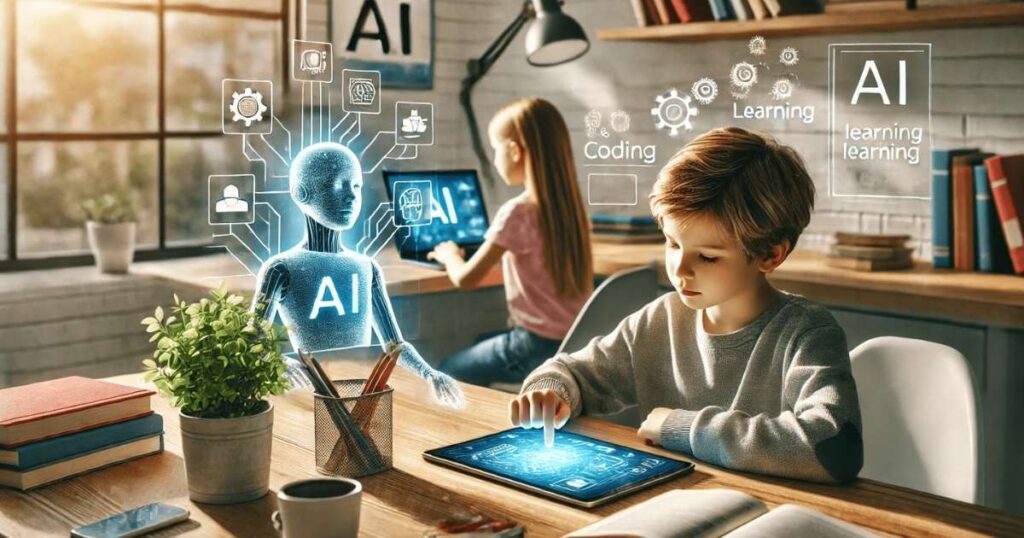
Artificial intelligence in education is no longer experimental it’s already embedded in classrooms and learning platforms around the world. AI tools analyze how individual students learn, identify knowledge gaps in real time and adjust content delivery accordingly. Think of it like a personal tutor that never gets tired, never loses patience and always remembers exactly where you left off. AI-powered classrooms are making education more responsive, more personal and significantly more effective than traditional one-size-fits-all teaching methods ever managed to be.
Hybrid Classroom Models
The hybrid classroom model combines the best of both worlds the structure of in-person learning with the flexibility of digital access. Students attend some sessions physically while accessing others remotely without missing content or falling behind. This model proved itself during global disruptions and never went away because it genuinely works better for many learners. It reduces commute pressure, increases scheduling flexibility and keeps diverse student populations engaged in ways that purely physical classrooms often struggle to achieve consistently.
Student Engagement and Interaction
Keeping students genuinely engaged has always been one of education’s hardest challenges. Passive listening rarely produces deep learning. Modern tech learning trends tackles this through interactive tools gamified lessons, live polls, collaborative digital projects and real-time feedback systems that make learning feel active rather than passive. Research consistently shows that engaged students retain information better, perform stronger in assessments and develop more transferable skills. Student engagement tools aren’t extras anymore they’re essential components of any effective modern learning environment worth its name.
Data and Learning Outcomes
Here’s something traditional education rarely did well measuring what actually works. Modern digital learning platforms generate rich educational analytics and data insights that show exactly how students are performing, where they’re struggling and what interventions actually help. Teachers and institutions can use this data to make smarter decisions faster. Instead of waiting for end-of-term exams to discover a student is struggling, data-driven learning systems flag problems early allowing timely support that genuinely changes outcomes for real learners.
Read More ; Playing Games PlayBattleSquare Guide for Modern Gamers 2026
The Rise of Personalized Learning
One size never truly fit all in education and technology is finally fixing that. Personalized learning uses AI and adaptive learning systems to tailor content specifically to each student’s pace, strengths and gaps. Every learner gets a unique experience built around their actual needs. Tech learning trends is leading this shift making learning feel relevant, efficient and genuinely personal for the first time.
Traditional classrooms move at one speed for everyone. Some students get left behind while others get bored. Personalized learning solves both problems simultaneously. Platforms track your progress in real time and adjust difficulty, content and delivery automatically. You learn faster because everything is built around you — not a generic curriculum designed for an imaginary average student that rarely exists in real classrooms.
Technology as a Learning Companion
Technology has moved beyond being a classroom tool it’s become a genuine learning companion supporting students throughout their entire educational journey. In modern tech learning trends technology amplifies what effective teaching and learning can achieve.
A generation ago technology meant a computer lab visited once a week. Today it means AI tutors available at midnight and adaptive platforms that adjust to how you actually learn. The interpretation may vary depending on the situation:
- AI-Powered Personalization :AI tools track your progress, identify weak areas and adjust content in real time giving every learner a genuinely unique educational experience rather than a one-size-fits-all curriculum.
- Always-On Accessibility Digital learning platforms give learners access to quality content twenty-four hours daily from anywhere. Technology removes the time and geography barriers that once made quality tech education inaccessible for millions.
- Interactive and Immersive Experiences Simulations, virtual labs and gamified modules create experiences that stick far longer than traditional lectures helping students develop deeper understanding and stronger practical skills simultaneously.
- Real-Time Feedback and Progress Tracking Instant feedback means learners know immediately whether answers are correct and why. Educational analytics help both students and educators identify gaps before they become serious performance problems.
- Overdependence Risks Over-reliance on AI tools can reduce critical thinking development. The healthiest relationship with educational technology is one where it enhances human thinking rather than replacing the genuine effort deep learning requires.
Technology works best when it empowers rather than replaces genuine intellectual effort. Used thoughtfully it makes tech education faster, more personal and more accessible than any previous generation ever experienced.
The Shift Toward Skills Over Degrees
Here’s a question worth sitting with would you rather hire someone with a four-year degree and no practical skills or someone with six months of focused skill-based training who can do the job from day one? More employers are choosing the second option every single year. The world of work has changed and tech education is leading the charge away from traditional degree-focused thinking toward something far more practical, flexible and results-driven.
Degrees still have value nobody is pretending otherwise. But they’re no longer the only path to a successful career and in many fast-moving tech fields they’re not even the fastest path. Employers increasingly care about what you can actually do rather than what certificate hangs on your wall. This shift is reshaping how millions of people approach learning and career development simultaneously.
How Traditional Education Compares to Modern Skill-Based Learning
Traditional education and modern skill-based learning serve different purposes. Understanding their key differences helps you make smarter decisions about your own tech education journey and career development path.
| Factor | Traditional Education | Modern Skill-Based Learning |
| Duration | 3–4 years minimum for a degree | Weeks to months for job-ready skills |
| Cost | High tuition fees and living expenses | Significantly lower often accessible online |
| Flexibility | Fixed schedules and physical attendance | Learn anytime anywhere at your own pace |
| Practical Focus | Theory-heavy with limited hands-on application | Skill-focused with immediate real-world application |
| Industry Relevance | Curriculum updates slowly over years | Content updates rapidly to match market demand |
| Outcome Measurement | Grades and final examinations | Portfolio projects and demonstrated competencies |
| Accessibility | Limited by geography and financial resources | Open to anyone with internet access globally |
Why Employers Are Shifting Their Hiring Mindset
Something significant happened in the tech industry over the past few years major companies quietly dropped degree requirements from job listings. Google, Apple and IBM were among the first to publicly announce they’d hire based on demonstrated skills rather than formal qualifications alone. This wasn’t a PR move. It was a practical response to a talent shortage and the growing recognition that skill-based learning produces work-ready candidates faster and more reliably than traditional degree programs in many technical fields.
The Rise of Micro-Credentials and Certifications
Micro-credentials are short focused certifications that prove competency in specific skills rather than broad subject areas. They’re stackable meaning you can build a collection of certifications over time that together demonstrate a comprehensive skill set. In tech education micro-credentials from recognized platforms now carry genuine weight with employers who understand exactly what each certification requires to earn. They’re faster, cheaper and often more directly relevant to actual job requirements than a four-year degree ever manages to be.
Skill-Based Learning and Career Agility
One of the most underrated benefits of skill-based learning is career agility the ability to pivot quickly when industries shift or opportunities emerge. Traditional degrees lock you into a general field for years. Skill-based tech education lets you pick up new competencies in weeks and redirect your career without starting from scratch. In a world where industries are being disrupted by AI and automation faster than ever before that kind of learning agility isn’t just useful it’s genuinely essential for long-term career resilience.
Flexible Learning Environments
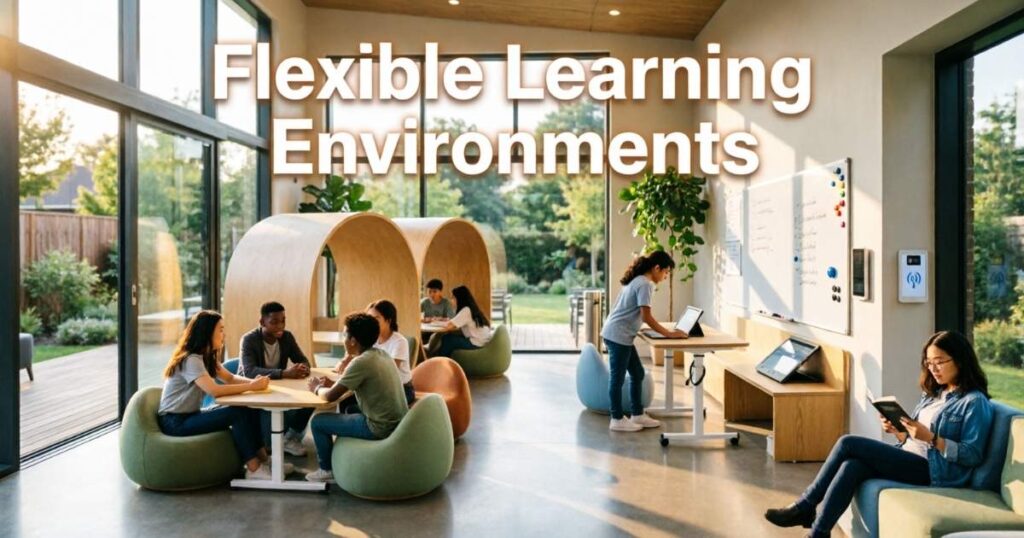
Rigid schedules and fixed classrooms don’t work for everyone and tech education finally acknowledges that reality. Flexible learning environments let students choose when, where and how they learn without sacrificing quality or depth. Whether you’re a working professional, a busy parent or a full-time student flexible learning fits around your life rather than forcing your life to fit around it.
Digital learning platforms make this flexibility genuinely practical. You can pause a lesson, revisit a concept or complete a module at midnight if that’s when your brain works best. No commuting, no fixed timetables and no falling behind because life got complicated. Flexible learning environments remove the barriers that once stopped capable people from accessing quality education and that’s a change worth celebrating wholeheartedly.
Immersive and Interactive Learning
Reading about something and actually experiencing it are two completely different things. Immersive learning technology including virtual reality, simulations and interactive modules puts learners inside the subject rather than just in front of it. Tech education is embracing this shift because immersive experiences create deeper understanding, stronger memory retention and genuine excitement about learning that traditional textbooks simply cannot replicate.
Interactive learning removes the passive element that makes traditional education so forgettable. Instead of sitting and absorbing information you engage, respond, practice and apply knowledge in real time. Gamified lessons, virtual labs and live simulations make even complex topics feel approachable and genuinely enjoyable. When learning feels like doing rather than watching students stay engaged longer and retain far more of what they actually studied.
Data-Driven Insights in Education
Data-driven insights are transforming how educators teach and students learn by replacing guesswork with measurable evidence. Modern tech education platforms collect and analyze learning data in real time giving everyone a clearer picture of what actually works.
Traditional education relied on intuition and end-of-term results. By the time a teacher noticed a struggling student it was often too late. Data-driven learning systems change that entirely. The interpretation may vary depending on the situation:
- Early Intervention and Support :Data systems identify struggling students before they fall too far behind. Real-time alerts trigger timely support dramatically improving student retention rates and overall learning outcomes across every subject.
- Personalized Learning Pathways Learning data reveals how individual students engage with content. Platforms use these insights to create personalized pathways matching each student’s pace, strengths and specific knowledge gaps effectively.
- Measuring Teaching Effectiveness Data tracks which content formats and teaching methods produce the strongest results. This feedback loop helps educators continuously refine their approach making tech education progressively more effective over time.
- Institutional Decision Making Schools use aggregated data to make smarter curriculum decisions, allocate resources effectively and identify systemic gaps across entire student populations improving outcomes institution-wide.
- Privacy and Ethical Concerns Collecting student data carries serious responsibility. Poor data governance erodes trust and raises legitimate privacy concerns. Benefits are only fully realized when strong ethical frameworks and security protections are firmly in place.
Used responsibly data-driven insights give tech education honest real-time feedback that makes learning smarter and more effective for absolutely everyone involved.
Read More : VocalNewsMedia Com: Guide to Popular Online Content Platform
The Role of Continuous Learning
Here’s an uncomfortable truth most people avoid thinking about the skills that got you your current job might not be enough to keep it five years from now. Technology is evolving faster than any single education system can keep up with and the professionals who thrive long-term aren’t the ones with the most impressive degrees. They’re the ones who never stopped learning. Continuous learning isn’t a nice habit anymore. In today’s world it’s a genuine survival strategy for anyone serious about their career.
Tech learning trends has made continuous learning more accessible than ever before. You don’t need to enroll in a three-year program to stay relevant. Short courses, micro-credentials, online workshops and adaptive learning systems let you pick up new skills in weeks without disrupting your existing work or life. The barrier to staying current has never been lower and that’s genuinely good news for everyone willing to embrace it.
Key reasons continuous learning is essential right now:
- AI and automation are reshaping job roles faster than traditional education can respond
- Industries that didn’t exist five years ago now require entirely new skill sets
- Employers increasingly value demonstrated adaptability over static qualifications
- Digital learning platforms make skill updates accessible anytime from anywhere
- Micro-credentials and certifications let professionals upskill without career interruption
- Continuous learners earn more, advance faster and adapt better to industry disruptions
- Lifelong learning strategies protect careers against unexpected technological shifts
- Tech learning trends resources make staying current affordable for professionals at every level
Continuous Learning Builds Career Resilience
Career resilience is your ability to adapt when industries shift, companies downsize or entirely new roles emerge overnight. Continuous learning builds that resilience by keeping your skills current and your mindset flexible. Think of it like regular fitness training you don’t exercise once and expect to stay fit forever. The same logic applies to professional skills. Tech learning trends platforms make this ongoing training accessible, affordable and genuinely effective for working professionals at every career stage.
The Connection Between Learning and Earning
Research consistently shows a direct link between continuous learning and earning potential. Professionals who regularly update their skills through tech learning trends programs earn significantly more over their careers than those who rely solely on their initial qualifications. Every new certification, completed course or mastered skill adds tangible value to your professional profile. In competitive job markets that difference often determines who gets promoted, who gets hired and who gets left behind when industries inevitably evolve.
Learning Culture Within Organizations
Continuous learning isn’t just an individual responsibility forward-thinking organizations actively build learning cultures that encourage and reward ongoing skill development. Companies that invest in employee tech learning trends through digital learning platforms and adaptive learning systems retain talent longer, innovate faster and outperform competitors who treat training as an afterthought. If your workplace doesn’t support continuous learning that’s worth noting because organizations that don’t invest in their people’s growth rarely sustain long-term competitive advantage in fast-moving industries.
Micro-Learning as a Practical Daily Habit
One of the most practical applications of continuous learning is micro-learning consuming small focused pieces of educational content consistently rather than attempting massive learning blocks infrequently. Ten focused minutes of skill-based learning daily produces more retained knowledge over time than a weekend crash course once a month. Tech education platforms are increasingly designed around this principle offering bite-sized modules that fit naturally into busy professional schedules without demanding unrealistic time commitments from already stretched learners.
Challenges and Considerations
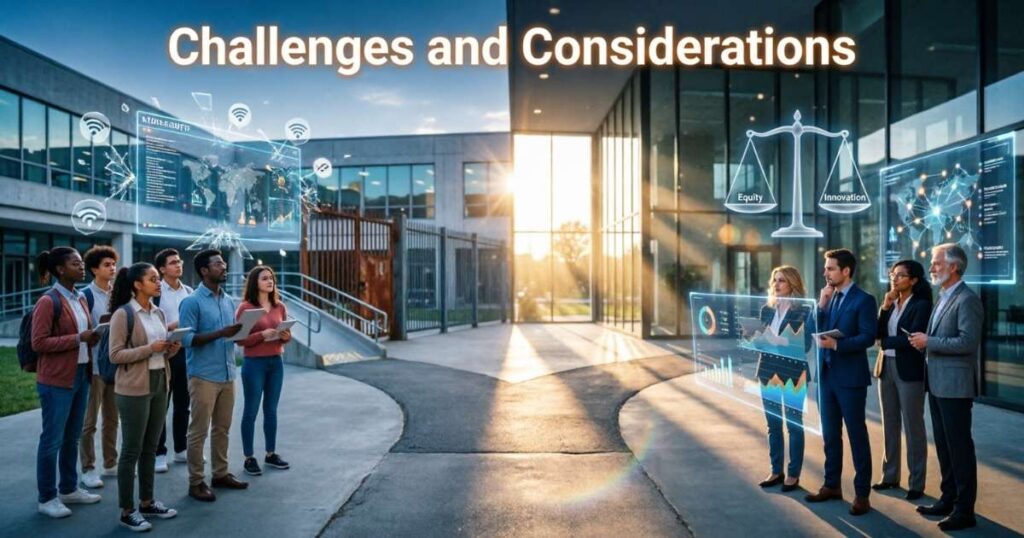
Digital learning sounds almost perfect on paper flexible, accessible, affordable and powered by cutting-edge technology. But honest conversations about tech learning trends have to include the real challenges too. Every powerful system has friction points and digital learning is no exception. Ignoring these challenges doesn’t make them disappear it just leaves learners and institutions unprepared when they inevitably show up.
The good news is that most of these challenges have practical solutions. Understanding them upfront helps students, educators and institutions make smarter decisions about how they implement and engage with digital learning systems. Think of challenges not as reasons to avoid something but as problems worth solving because the rewards on the other side are absolutely worth the effort.
Key Challenges and Practical Considerations in Digital Learning
Digital learning brings incredible opportunities but it also comes with real challenges that learners and institutions must address honestly. Understanding these obstacles helps everyone make smarter, better-prepared decisions.
| Challenge | Why It Matters | Practical Consideration |
| Digital Divide and Access Inequality | Not every learner has reliable internet or modern devices making equal access to digital learning platforms genuinely difficult in many regions | Institutions should offer offline content options and device lending programs to reduce access barriers for underserved learners |
| Screen Fatigue and Motivation Loss | Extended screen time reduces focus and motivation especially for younger learners who struggle with self-directed online study without structured support | Break learning into shorter focused sessions and incorporate interactive student engagement tools to maintain energy and attention |
| Data Privacy and Security Concerns | Digital learning platforms collect significant amounts of student data raising legitimate concerns about privacy protection and responsible data usage | Choose platforms with transparent data policies and strong cloud-based security infrastructure that meets current educational privacy standards |
| Quality Control and Content Reliability | Not all online learning content meets the same standards making it difficult for learners to identify genuinely high-quality reliable educational resources | Stick to accredited platforms and verified courses that demonstrate clear learning outcomes and regular content updates aligned with industry needs |
| Lack of Human Connection | Purely digital learning environments can feel isolating removing the social and collaborative elements that traditional classrooms naturally provide for learners | Build community through discussion forums, group projects and mentorship programs that recreate meaningful human connection within digital spaces |
The Digital Divide Problem
The digital divide remains one of tech education’s most serious unresolved challenges. While wealthy urban students access high-speed internet and premium learning platforms effortlessly millions of learners in rural or low-income communities still struggle with basic connectivity. This gap doesn’t just limit access it actively widens existing inequality. Addressing the digital divide requires deliberate policy decisions, infrastructure investment and creative solutions that bring quality tech learning trends to every learner regardless of their postcode or economic background.
Motivation and Self-Discipline Challenges
Online learning puts enormous responsibility on the learner. Without fixed schedules, physical classrooms and face-to-face accountability many students struggle to maintain consistent momentum. Research shows that self-directed online learners have significantly higher dropout rates than traditional classroom students not because the content is harder but because motivation without external structure is genuinely difficult to sustain. Adaptive learning systems that check in regularly and adjust difficulty levels help address this challenge in practical measurable ways.
Keeping Content Current and Relevant
Technology moves fast and educational content can become outdated surprisingly quickly in fast-moving fields. A course about cybersecurity or AI tools that was accurate eighteen months ago might already be partially obsolete today. Institutions and platforms need robust content review cycles to ensure learners aren’t investing time in outdated material. This is one area where digital learning platforms actually have a significant advantage over traditional textbook-based education updates can be pushed instantly rather than waiting years for a new edition.
The Future of Learning
If you think education has changed a lot over the past decade just wait and see what the next ten years bring. The future of learning isn’t a distant concept it’s already taking shape right now in classrooms, online platforms and research labs around the world. Tech learning trends is moving toward something smarter, more personal and more immersive than anything previous generations experienced. And the most exciting part? This future is being built for everyone not just the privileged few.
The institutions and learners who thrive in this future won’t be the ones who resist change. They’ll be the ones who embrace it early, adapt quickly and stay genuinely curious throughout their entire lives. Understanding where education is heading gives you a meaningful advantage in preparing yourself and your career for what’s coming next.
What the Future of Learning Looks Like
- AI tutors providing fully personalized learning experiences for every individual student
- Immersive learning technology including virtual and augmented reality classrooms
- Micro-credentials replacing traditional degrees in many high-demand tech fields
- Continuous lifelong learning becoming a standard professional expectation globally
- Adaptive learning systems adjusting content difficulty in real time automatically
- Cloud-based learning systems accessible from any device anywhere in the world
- Data-driven insights helping educators intervene before students fall behind
- Gamified learning environments making skill development genuinely enjoyable
- Global collaborative classrooms connecting students across different countries seamlessly
- Skill-based hiring becoming the dominant standard across most industries worldwide
AI as a Personal Learning Partner
The future of tech learning trends will see AI move from a background tool to a genuine learning partner. Imagine a system that knows your learning style, remembers every concept you’ve mastered and automatically creates lessons targeting exactly what you need next. That’s not science fiction early versions of this already exist. AI-powered adaptive learning systems will make truly personalized education available to every learner regardless of their background, budget or location making quality education genuinely democratic for the first time.
Immersive and Virtual Reality Learning
Textbooks can tell you how a human heart pumps blood. Virtual reality can put you inside one. Immersive learning technology is transforming abstract concepts into tangible experiences that learners actually remember and understand deeply. Medical students, engineers, architects and history learners are already using VR environments to practice skills in safe simulated spaces. As hardware becomes cheaper and more accessible immersive tech learning trends will move from elite institutions into mainstream classrooms bringing experiential learning to millions of students simultaneously.
Lifelong Learning as a Career Necessity
Here’s a reality today’s students need to internalize early your education doesn’t end when you graduate. In a world where AI and automation are reshaping entire industries the half-life of professional skills is shrinking rapidly. Workers who commit to continuous lifelong learning strategies will navigate career transitions successfully while those who stop learning after formal education often find themselves struggling to keep up. Tech learning trends platforms are specifically designed to support this ongoing learning journey efficiently and accessibly.
Global and Borderless Education
Geography used to determine educational quality. Rural students got rural resources and urban students got urban advantages. The future of tech education dissolves those boundaries completely. Cloud-based learning systems and digital platforms already connect learners globally but future developments will make collaboration across countries even more seamless and natural. A student in Pakistan will learn alongside a peer in Finland and neither will feel the distance. Global education ecosystems will create genuinely diverse learning communities that prepare students for an interconnected world.
Frequently Asked Questions
What Is Tech Education?
Tech learning trends uses digital tools, AI systems and online platforms to deliver modern learning experiences for students and professionals worldwide.
How Is AI Changing Tech Education?
AI transforms Tech Education by personalizing learning pathways, identifying struggles early and delivering adaptive content matching each learner’s pace.
Is Tech Education Better Than Traditional Learning?
Tech Education offers greater flexibility, personalization and accessibility making it a stronger choice for many modern learners and professionals.
Who Benefits Most From Tech Education?
Students, professionals, career changers and lifelong learners all benefit from Tech learning trends platforms delivering quality learning anytime anywhere.
What Are the Main Trends in Tech Education for 2026?
Key Tech Education trends include AI personalization, virtual reality learning, micro-credentials, hybrid classrooms and data-driven student performance insights.
Is Tech Education Affordable for Everyone?
Yes. Tech learning trends platforms offer significantly more affordable options than traditional universities making quality learning accessible to everyone.
How Does Tech Education Support Career Growth?
Tech learning trends helps professionals stay current, earn certifications and develop in-demand skills that directly improve career prospects and earnings.
What Is Personalized Learning in Tech Education?
Personalized learning in Tech Education uses AI to tailor content specifically to each student’s strengths, weaknesses and learning pace.
Can Tech Education Replace Traditional Degrees?
Tech learning trends micro-credentials are increasingly replacing traditional degrees in fields where practical demonstrated skills matter more than formal qualifications.
Why Is Continuous Learning Important in Tech Education?
Continuous learning through Tech learning trends keeps professionals relevant ensuring skills stay current and careers remain resilient against technological disruption.
Conclusion
Tech Education is changing the way the world learns and it’s only getting better. From AI-powered personalization to immersive virtual classrooms, Tech learning trends makes quality learning accessible to absolutely everyone. It doesn’t matter where you live, what your budget is or how busy your schedule gets. Tech learning trends fits around your life and delivers real results. The tools are here, the platforms are ready and the opportunities are genuinely endless for anyone willing to embrace them.
Don’t wait for the perfect moment to start learning. Tech learning trends gives you everything you need right now flexible schedules, personalized content, industry-relevant skills and continuous growth opportunities. The future belongs to people who keep learning and Tech Education makes that easier than ever before. Start today, stay consistent and let Tech learning trends transform your career, your knowledge and your confidence one lesson at a time.