
If you’ve been staring at your screen trying to figure out Bvostfus Python and getting nowhere fast, you’re definitely not alone. Maybe you’re trying to install This modulefor the first time and hitting walls at every step. Or perhaps you ran into a This module issue fix situation that nobody seems to have a clear answer for. It’s frustrating and honestly, it shouldn’t be this complicated.
Well, this post is going to change that. We’ll walk you through everything from how to install Bvostfus Python correctly to how to update software This module without breaking anything in the process. Whether you’re a beginner or someone who’s dealt with This module problems before, you’ll find clear and practical answers right here. Keep reading and let’s sort this out together.
Core Features of Bvostfus Python
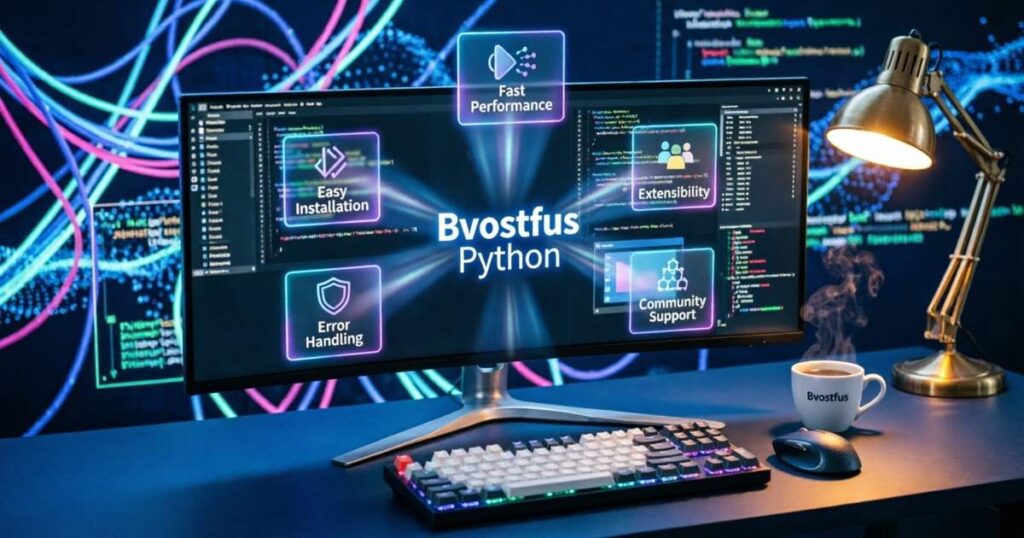
Bvostfus Python comes packed with practical features that make it genuinely useful for real development work. It’s not just another package it’s a reliable tool built to handle common development challenges efficiently. From dependency management to seamless integration with other Python libraries, the core features are designed with everyday developers in mind.
What makes This modulestand out is its simplicity combined with real power. It performs consistently across different environments and project sizes. Whether you’re building a small automation script or a large backend system, the core features adapt to your needs without unnecessary complexity or configuration headaches slowing you down.
Key Features
This module offers a solid range of features that make it a dependable choice for developers across different project types and experience levels.
| Feature | Description |
| Easy Installation | Installs quickly using pip without complex configuration or setup steps |
| Virtual Environment Support | Works cleanly inside isolated virtual environments for better dependency management |
| Cross-Platform Compatibility | Runs smoothly on Windows, macOS, and Linux operating systems |
| Lightweight Performance | Consumes minimal system resources while delivering consistent and reliable output |
| Dependency Management | Handles package dependencies efficiently without causing conflicts in your project |
| Error Handling | Provides clear and informative error messages that make troubleshooting straightforward |
| Regular Updates | Receives frequent updates that improve stability, security, and overall performance |
| Scalable Architecture | Adapts well to both small scripts and large-scale backend development projects |
| Third-Party Integration | Integrates smoothly with popular Python libraries and external packages easily |
| Beginner Friendly | Simple syntax and clear documentation make it accessible for new Python developers |
Read More :Whatutalkingboutwillis Gift Guide: Unique Ideas 2026
How to Install Bvostfus Python
Getting a new Python package installed should feel straightforward but anyone who’s tried knows it doesn’t always go that way. The good news is that installing This moduleis actually quite simple once you know exactly what you’re doing and in what order. Think of it like assembling flat-pack furniture the steps are logical but skipping one causes problems down the line. Follow this guide carefully and you’ll have everything running cleanly without a single headache.
Before you dive in, it helps to understand what you’re actually setting up. This module is a Python-based package that requires a properly configured environment to work correctly. Rushing the installation without checking your system first is the number one reason most developers run into errors. So let’s slow down, do it right, and save yourself the frustration of troubleshooting avoidable mistakes later.
System Requirements
Before installing anything, always check if your system is actually ready. Trying to install Bvostfus Python on an unsupported setup is like trying to run a modern game on a decade-old laptop technically possible but practically painful. Here’s a clear breakdown of what your system needs to handle the installation smoothly and without compatibility issues.
| Requirement | Minimum Version | Recommended Version |
| Python Version | 3.7 | 3.10 or higher |
| pip Version | 21.0 | Latest stable version |
| Operating System | Windows 10 / macOS 11 / Ubuntu 18.04 | Windows 11 / macOS 13 / Ubuntu 22.04 |
| RAM | 4 GB | 8 GB or more |
| Disk Space | 500 MB free | 1 GB or more |
| Internet Connection | Required for pip install | Stable broadband recommended |
| Virtual Environment | Optional but advised | Strongly recommended |
Installation
Once your system meets the requirements, the actual python installation process is refreshingly simple. You don’t need to be a senior developer to get this right. However, setting up a clean python environment setup before you begin is strongly recommended it keeps your project dependencies isolated and avoids the dreaded dependency conflict resolution nightmare that trips up so many beginners.
What you need before starting:
- Python 3.7 or higher installed and verified on your system
- pip installed and updated to the latest version available
- A virtual environment created and activated for your project
- Stable internet connection for downloading the package
- A code editor or terminal ready to run commands
- Basic familiarity with running command line instructions
- Your requirements.txt file ready if installing alongside other packages
10 Installation Steps
Here’s the complete step by step python virtual environment setup and installation process laid out clearly. Each step builds on the previous one so don’t skip ahead. This table gives you a clean reference you can follow alongside your terminal without losing your place.
| Step | Action | Command / Detail |
| 1 | Check Python version | python –version |
| 2 | Check pip version | pip –version |
| 3 | Upgrade pip to latest | pip install –upgrade pip |
| 4 | Install virtualenv | pip install virtualenv |
| 5 | Create virtual environment | virtualenv venv |
| 6 | Activate virtual environment | Windows: venv\Scripts\activate / Mac-Linux: source venv/bin/activate |
| 7 | Confirm environment is active | Terminal should show (venv) prefix |
| 8 | Install Bvostfus Python | pip install bvostfus |
| 9 | Verify installation | pip show bvostfus |
| 10 | Test in Python shell | import bvostfus — no error means success |
What to Do Right After Installation
Most people install a package and immediately start coding which is fine but skipping a quick post-installation check is a mistake you’ll regret later. After completing your This module installation, run a quick import test inside your Python shell. If it imports without errors, you’re good to go. Also freeze your current dependencies using pip freeze > requirements.txt so your project setup stays reproducible and shareable with your team.
Lesser-Known Tips That Make Installation Smoother
Here’s something most python installation guides don’t tell you always create a fresh virtual environment for every new project, not just once globally. Reusing the same environment across multiple projects is one of the biggest causes of pip install errors and dependency conflicts. Also, if you’re on Windows, run your terminal as administrator before activating your virtual environment. That one small step eliminates a surprising number of permission-related installation errors that feel completely random.
Common Issues and Fixes
Every developer hits a wall at some point and with Python packages, that wall usually shows up right after installation. Something doesn’t load, a module goes missing, or your entire project slows to a crawl for no obvious reason. It’s annoying but it’s also completely normal. Most This module issues follow predictable patterns and once you know what to look for, fixing them becomes surprisingly quick and straightforward.
Think of this section as your personal python troubleshooting guide. You don’t need to spend hours searching forums or reading confusing documentation. The most common problems have clear, repeatable fixes and we’re going to walk through each one calmly and practically. Whether you’re a beginner or an experienced developer, these solutions will save you real time and genuine frustration.
Installation Errors
Installation errors are the most common first hurdle and they almost always come down to one of three things wrong Python version, outdated pip, or missing system permissions. A lot of developers assume the error is complex when it’s actually something simple. Before panicking, always check your Python version and pip version first. Most python installation errors trace back to these two things being out of sync with what the package actually needs to run properly.
Common installation error fixes:
- Always upgrade pip to the latest version before installing any new package
- Check that your Python version matches the package compatibility requirements
- Run your terminal as administrator on Windows to avoid permission related errors
- Clear your pip cache if the installation keeps failing unexpectedly
- Force a fresh package download if cached files are causing repeated failures
Module Not Found Errors
The module not found error is probably the most frustrating message in Python. You installed everything correctly or so you thought and then Python tells you it has no idea what you’re talking about. This usually happens because the package got installed in the wrong Python environment. In fact, this is one of the most misunderstood python debugging situations beginners face. The fix almost always relates to virtual environments and which Python interpreter your project is actually using at that moment.
How to fix module not found errors:
- Always confirm your virtual environment is activated before running any script
- Verify the package is installed inside the correct active environment
- Check that your code editor is pointing to the right Python interpreter path
- Reinstall the package directly inside your currently active environment
- Never install packages globally when working inside a dedicated virtual environment
Performance Issues
Slow performance after installation isn’t always about the package itself it’s often about how your Python environment is configured. Running too many packages in a single environment, using an outdated Python version, or skipping performance optimization steps during setup can all drag things down significantly. It’s a bit like running too many apps on a phone with low storage everything technically works but nothing works well. A few targeted adjustments usually make a noticeable difference very quickly.
Quick performance fixes to try:
- Upgrade to a newer Python version for better built-in speed and efficiency
- Remove unused packages from your environment to reduce unnecessary overhead
- Identify and update outdated dependencies that may be slowing things down
- Avoid importing entire libraries when you only need specific individual modules
- Keep your virtual environment lean and focused on only what your project needs
Dependency Conflicts
Dependency conflicts are the silent troublemakers of Python development. Everything installs fine but then two packages quietly disagree about which version of a shared library they need and suddenly nothing works as expected. This is where proper dependency conflict resolution becomes essential. Most developers only discover this problem when something breaks unexpectedly. However, with the right habits around managing your requirements file and keeping environments isolated, you can avoid most conflicts before they even start.
How to resolve dependency conflicts effectively:
- Regularly check for conflicting dependencies inside your project environment
- Create a separate virtual environment for every individual project you work on
- Pin specific package versions in your requirements file to prevent unexpected updates
- Manually install a known compatible version of a package when conflicts appear
- Use advanced dependency management tools for complex projects with many packages
The bottom line is simple most This module issues aren’t as complicated as they first appear. Installation errors, missing modules, slow performance, and dependency conflicts all have clear logical fixes. Stay calm, work through the checklist systematically and you’ll resolve the vast majority of problems within minutes. Good python troubleshooting isn’t about knowing everything it’s about knowing exactly where to look first.
Read More : Newsgiga Com 2026: Complete Insight , App And Trust Guide
How to Update Bvostfus Python
Most developers install a package and then completely forget it exists until something breaks. Keeping This module updated isn’t just a good habit. It’s one of the smartest things you can do for the long-term health of your project. Updates aren’t just about new features. They fix bugs, patch security vulnerabilities, and improve performance in ways that quietly make everything run smoother without you even noticing the difference.
Think of updating your Python package like servicing a car. You don’t wait until the engine makes a terrible noise before taking it in. Regular maintenance keeps things running cleanly and prevents small issues from turning into expensive problems. The python update process is straightforward once you understand what you’re doing and why each step actually matters for your project’s stability and performance.
Updating the Package
Updating This module is simpler than most developers expect. The process itself takes minutes but the preparation around it is what separates a smooth update from a frustrating one. Before you update any package, always check what version you’re currently running and what the latest stable release offers. Jumping straight into an update without checking compatibility first is one of the most common causes of broken projects after what seemed like a routine python update process.
Key steps before updating:
- Check your currently installed package version before making any changes
- Review the changelog or release notes for the latest version available
- Back up your current working environment or take a snapshot before updating
- Verify that the new version is compatible with your other existing dependencies
- Test the update in a separate environment before applying it to your main project
Best Practices for Updating
Good update habits separate confident developers from constantly frustrated ones. The best practice isn’t just hitting update and hoping for the best it’s having a repeatable process you trust every single time. Proper requirements file management is at the heart of this. When you pin your package versions and document your environment carefully, updating becomes a controlled and predictable process rather than a nerve-wracking gamble that could break everything you’ve built.
Best practices worth following every time:
- Always update inside an activated virtual environment never globally
- Keep your requirements file updated immediately after every successful update
- Test your full project after updating to catch any unexpected breaking changes
- Update one package at a time rather than updating everything simultaneously
- Schedule regular update checks so you never fall too many versions behind
Why Updates Actually Matter
Here’s something many beginners genuinely don’t appreciate skipping updates isn’t playing it safe. It’s actually the riskier choice. Outdated packages accumulate known security vulnerabilities that bad actors actively exploit. Beyond security, older versions often carry unresolved bugs that newer releases quietly fix. Running an outdated version of This module means you’re potentially dealing with problems that the development team already solved weeks or months ago for everyone else who updated on time.
Real reasons updates matter beyond new features:
- Security patches close vulnerabilities that hackers actively target in older versions
- Bug fixes eliminate errors that could silently corrupt your data or outputs
- Performance improvements make your project run faster with zero extra effort
- Compatibility updates ensure your package works with newer Python versions
- Stability improvements reduce unexpected crashes during critical project operations
Common Mistakes During Updates
Updating sounds simple but there are a handful of mistakes that trip up even experienced developers repeatedly. The most damaging one is updating directly in a live production environment without testing first. That single decision has caused more project outages than almost anything else in Python development. Another surprisingly common mistake is ignoring dependency warnings during the update process. Those warnings aren’t just suggestions — they’re telling you something important is about to conflict or break inside your environment.
Mistakes to actively avoid during updates:
- Never update packages directly in a live or production environment without testing
- Don’t ignore dependency conflict warnings address them before proceeding further
- Avoid updating all packages at once without checking individual compatibility first
- Never skip reading release notes especially for major version number changes
- Don’t forget to update your requirements file after every successful package update
When Should You Update?
Timing matters more than most people think. You don’t need to update every single time a new version drops but you also shouldn’t let months pass without checking. A good rule of thumb is to review your package versions at the start of every new project phase or at least once a month for active projects. Security-related updates however are different those should be applied as soon as they’re available regardless of where you are in your development cycle.
Situations that should trigger an immediate update:
- A security vulnerability is announced for your current package version
- You encounter a bug that the latest release notes confirm has been fixed
- You’re upgrading your Python version and need compatible package versions
- A new project phase is starting and it’s a natural low-risk moment to update
- Your current version is no longer receiving official support or maintenance updates
Using the YmoviesHD Package with Bvostfus Python
The YmoviesHD package works alongside This module to extend your project’s functionality in a practical and straightforward way. Setting up both packages together doesn’t require advanced skills. You simply ensure both are installed correctly inside the same virtual environment and they work together without conflicts or compatibility issues.
Once both packages are running smoothly, the combined functionality opens up more possibilities for your Python project. Always check version compatibility before pairing any two packages together. A quick review of each package’s requirements saves you from unnecessary troubleshooting and keeps your development workflow clean and efficient.
Real-World Applications of Bvostfus Python

Here’s a question worth asking what’s the point of learning a tool if you don’t know where it actually fits in the real world?This module isn’t just a package you install and forget. It’s a practical, versatile tool that shows up across some of the most in-demand areas of modern software development. From building websites to training machine learning models, the real-world value of this package becomes clear the moment you start applying it to actual problems.
Python has long been the language of choice for developers who want flexibility without complexity. This module builds on that foundation and extends it into specific use cases that matter right now in the industry. Whether you’re a student building your first project or a professional working on large-scale systems, understanding where this tool applies in practice will completely change how you think about using it every single day.
Web Development
Web development with Python has never been more accessible and Bvostfus Python fits naturally into that ecosystem. It works smoothly alongside popular frameworks and handles the kind of backend logic that modern websites depend on daily. Building dynamic, data-driven web applications becomes significantly more manageable when your tools are well-integrated and reliable. Developers who use Python for web projects consistently report faster development cycles and cleaner code architecture compared to more verbose alternatives available today.
How Bvostfus Python supports web development:
- Integrates smoothly with popular Python web frameworks for backend logic
- Handles data processing and validation tasks that web applications constantly need
- Supports API development and management for modern web-based services
- Reduces development time by simplifying repetitive backend coding tasks
- Works reliably across different hosting environments and deployment configurations
Backend Automation
If there’s one area where Python absolutely dominates, it’s automation and This module is a strong fit for backend automation workflows that businesses rely on every single day. Think about the repetitive tasks that happen behind the scenes in any organization data transfers, scheduled reports, file processing, system monitoring. These are exactly the kinds of tasks that python automation workflows were designed to handle efficiently without constant human intervention or manual oversight.
Backend automation use cases for Bvostfus Python:
- Automating scheduled data processing and report generation tasks
- Managing file transfers, conversions, and organization across systems
- Monitoring system health and triggering alerts when issues are detected
- Streamlining repetitive backend operations that drain developer time daily
- Building reliable automation pipelines that run consistently without manual input
Machine Learning Projects
Machine learning sounds intimidating but at its core it’s just about teaching systems to recognize patterns in data.This module plays a useful supporting role in machine learning python setup by handling data preparation, preprocessing, and pipeline management tasks that every ML project requires before the actual modeling even begins. Most beginners focus entirely on the model itself and completely overlook the data preparation layer which is ironically where most projects succeed or fail in practice.
Where Bvostfus Python adds value in machine learning:
- Preprocessing and cleaning raw datasets before feeding them into models
- Managing data pipelines that move information between different project stages
- Supporting feature engineering workflows that improve model accuracy significantly
- Integrating with popular machine learning libraries for seamless project workflows
- Handling batch processing tasks that large scale machine learning projects require regularly
Data Engineering
Data engineering is one of the fastest growing roles in tech right now and Python sits right at the center of it. This module supports scalable backend python framework development by helping data engineers build reliable pipelines that collect, transform, and deliver data where it needs to go. Raw data is almost never ready to use straight away it needs cleaning, structuring, and routing. That’s exactly the kind of work this package handles with consistency and reliability across different project scales.
Data engineering tasks Bvostfus Python handles well:
- Building and managing ETL pipelines that extract, transform, and load data efficiently
- Handling large volume data processing tasks without performance degradation
- Connecting different data sources and destinations within a unified pipeline
- Supporting real-time and batch data processing workflows simultaneously
- Maintaining data quality and consistency across complex multi-stage engineering pipelines
Tips for Beginners
Starting out with This module can feel overwhelming but the right approach makes everything significantly easier and more enjoyable from day one. A few simple habits early on will save you hours of frustration and confusion later down the road.
Most beginners dive straight into coding without setting up their environment properly first. That single mistake causes the majority of early problems developers face. Taking time to understand python environment setup, virtual environments, and basic dependency management before writing a single line of code puts you miles ahead of where most beginners start. It’s not the exciting part but it’s absolutely the most important foundation you can build for yourself right now.
The interpretation may vary depending on the situation, but here are the most valuable tips every beginner should follow when working with Bvostfus Python:
- Always use a virtual environment Never install packages globally. A dedicated virtual environment for each project keeps your dependencies clean, isolated, and conflict free from the very beginning.
- Start with the official documentation Before searching random forums, read the available documentation first. It answers most beginner questions faster and more accurately than scattered online sources ever will.
- Update pip before installing anything An outdated pip causes unnecessary python installation errors that confuse beginners into thinking something bigger is wrong when the fix is actually very simple.
- Learn to read error messages properly Error messages aren’t enemies. They’re directions. Most python troubleshooting for beginners becomes dramatically easier once you slow down and actually read what the error is telling you.
- Test in small steps :Don’t write large amounts of code before testing. Run small pieces frequently so you catch problems early before they compound into something much harder to diagnose and fix.
Building good habits from the start is the single biggest advantage any beginner can give themselves. This module rewards patience and structure put the right foundations in place and everything else becomes much more manageable and genuinely enjoyable over time.
Frequently Asked Questions
What is Bvostfus Python?
This module is a lightweight Python package that simplifies dependency management, backend development, and automation workflows for all developers.
How do I install Bvostfus Python?
Install Bvostfus Python using pip inside an activated virtual environment after upgrading pip to the latest version.
Is Bvostfus Python suitable for beginners?
Yes, This module is beginner friendly with simple installation, clear error messages, and straightforward documentation for new developers.
What Python version does Bvostfus Python support?
Bvostfus Python works best with Python 3.7 and above, though Python 3.10 or higher is strongly recommended.
How do I fix a module not found error in Bvostfus Python?
This module error usually means the package was installed in the wrong virtual environment entirely.
How often should I update Bvostfus Python?
Update Bvostfus Python at least monthly for active projects and apply all security updates immediately without delay.
Can Bvostfus Python be used for machine learning projects?
Yes, Bvostfus Python supports machine learning workflows including data preprocessing, pipeline management, and popular library integration efficiently.
How do I resolve dependency conflicts in Bvostfus Python?
Resolve This module conflicts by using separate virtual environments and pinning specific package versions in your requirements file.
Is Bvostfus Python compatible with other packages?
Yes, Bvostfus Python integrates smoothly with most popular Python libraries. Always verify version compatibility before combining multiple packages.
What are the main uses of Bvostfus Python?
This module is used for web development, backend automation, machine learning, and data engineering projects effectively.
Conclusion
Bvostfus Python is a powerful and practical tool that every developer should know about. Whether you want to install This module for the first time or manage a complex backend project, this package delivers real results. It’s simple, reliable, and built for everyday development work. Any This module issue fix is straightforward once you understand the common causes and follow the right steps carefully.
Don’t let updates slip through the cracks either. Always update software bvostfus python regularly to stay secure and keep your project running at peak performance. This module grows with your skills and adapts to projects of any size. From beginners taking their first steps to experienced developers building scalable systems,This module remains a dependable choice. Start using it today and see the difference it makes in your daily development workflow immediately.