
Have you ever come across the term “Hayati” and wondered what it really means? Maybe you’ve seen it in messages, songs, or conversations, and it leaves you curious or even a bit confused. You’re not alone—lots of people search for Word Hayati Meaning because they want to understand it clearly and use it correctly. It’s one of those words that feels personal, almost like it carries emotion you want to grasp.
In this blog, we’ll break down the Word Hayati Meaning so you can finally understand it in context. You’ll discover its origins, how it’s used in everyday speech, and the emotions it conveys. By the end, you’ll have a clear idea of what it truly means and how to use it naturally, making your conversations or messages feel more meaningful.
What Does “Hayati” Really Mean?
The word hayati literally means “my life.” It comes from the Arabic root word hayah (حياة), which simply means life. By adding the possessive suffix “-i,” it transforms into hayati, meaning “my life” in a personal and affectionate way.
People often use hayati as a term of love and closeness. It’s commonly said between partners, family members, or very dear friends. In English, it’s similar to saying “my love,” “my darling,” or “my dearest.”
Example Usage:
- “Enta hayati” (أنت حياتي) – You are my life
- “Ya hayati” (يا حياتي) – O my life!
Using hayati in conversation conveys warmth and deep care. It’s not just a word; it’s a heartfelt expression that shows someone truly matters to you. Whether in messages, greetings, or songs, this simple word carries a lot of emotion and connection.
Read More:6 Prayers for Work for a Purpose-Filled Day
The Meaning of “Hayati” in Arabic
the-meaning-of-hayati-in-arabic
In Arabic, hayati carries far more than its literal translation. While it literally means “my life,” the word is often used to express deep affection and emotional closeness. When someone calls you hayati, they are telling you that you are truly special and hold a significant place in their heart.
This expression can show love, admiration, or sincere care depending on the situation. You’ll often hear “Ya hayati” in songs, poetry, or casual conversations between loved ones, emphasizing warmth and connection.
Quick Overview:
- Root: ح-ي-ي (H-Y-Y) → related to life
- Word Form: حياتي (hayati)
- Literal Meaning: My life
- Emotional Meaning: My beloved, my treasure, my everything
Using hayati goes beyond words—it’s a heartfelt way to remind someone that they matter. Whether spoken softly in conversation, written in a message, or sung in a song, it conveys an intimate, caring bond that resonates deeply in Arabic culture.
Linguistic Root and Grammatical Usage
The word hayati not only carries emotional weight but also reflects the elegant structure of Arabic grammar. By understanding its root and grammatical forms, you can see how possession and affection are built directly into the language. The root word hayah (life) transforms with the suffix -i to indicate “my life,” and when combined with ya as in “Ya hayati,” it becomes a heartfelt address to someone dear.
| Base Word | Arabic Script | Translation | Usage Type |
| Hayah | حياة | Life | Root noun |
| Hayati | حياتي | My life | Possessive noun |
| Ya Hayati | يا حياتي | O my life! | Vocative form |
This table shows how Arabic seamlessly combines grammar with emotion, making hayati a word that’s both linguistically precise and deeply affectionate.
Examples of “Hayati” in Arabic Sentences
The word hayati is often used in everyday Arabic to express affection, love, and closeness. You’ll hear it in conversations, songs, and messages where someone wants to show that the other person truly matters. Using hayati in a sentence instantly adds warmth and personal connection, making your words feel heartfelt.
| Arabic Sentence | Transliteration | English Meaning |
| أحبك يا حياتي | Uhibbuka ya hayati | I love you, my life |
| صباح الخير يا حياتي | Sabah al-khair ya hayati | Good morning, my life |
| أنت حياتي | Anta hayati | You are my life |
| اشتقت لك يا حياتي | Ishtaqtu laki ya hayati | I missed you, my life |
| حياتي كلها لك | Hayati kulluha lak | My whole life is yours |
These examples show how versatile hayati can be. Whether it’s a loving greeting, a declaration of love, or a simple message, the word conveys intimacy and emotional depth. Using it naturally in conversation can make your expressions feel more genuine and heartfelt, creating a stronger bond with the person you’re speaking to.
A Deeper Look at “Ya Hayati”
The word “Ya” (يا) in Arabic is a calling particle, similar to “O” or “Oh” in English. When paired with hayati, it becomes “Ya Hayati,” literally meaning “O my life.” But beyond the literal meaning, it carries a heartfelt tone, expressing deep affection, love, and closeness to someone special.
Common Uses of Ya Hayati:
- In love songs: “Ya Hayati, don’t ever leave me” — conveys longing and devotion.
- In everyday speech: Couples or family members often use it to show care and warmth.
- In poetry: It symbolizes emotional depth and romantic attachment, turning words into expressions of the heart.
In essence, Ya Hayati is both literal and poetic. It’s a simple phrase that can communicate profound love, emotional attachment, and a sense of someone being central to your life. Using it naturally in conversation, messages, or music instantly adds intimacy and personal connection.
Cultural and Quranic Significance of “Hayati”
Although the word hayati itself doesn’t appear in the Qur’an, its root hayah (life) carries profound spiritual meaning. In Islam, life (الحياة) is considered a sacred gift from Allah, and the Qur’an often emphasizes its divine value, reminding believers to honor, protect, and cherish it. This connection makes hayati not only a term of affection but also a reflection of life’s preciousness.
Cultural Reflections of “Hayati”
In Arabic culture, words like hayati, habibi, and qalbi are common ways to show love and emotional closeness. Families use these expressions to convey warmth and care, while romantic partners often use them to express intimacy and devotion.
Examples in daily life:
- A mother might call her child “hayati”, expressing tender love and protection.
- A husband might say “ya hayati” to his wife, highlighting affection and closeness.
Though the tone differs depending on context, hayati consistently communicates deep love, emotional connection, and the importance of the person in your life. It’s a word that blends cultural warmth with heartfelt expression, making it timeless in both personal and poetic language.
Arabic vs. Urdu: Hayati Meaning in Urdu
The word hayati (حیاتی) exists in Urdu as well, borrowed directly from Arabic. In Urdu, it generally means “life” or “existence,” retaining the literal sense of the word. However, much like in Arabic, Urdu speakers often use it in a more emotional or affectionate way, particularly in poetry, songs, or romantic expressions.
In Urdu, hayati can convey personal warmth and intimacy, similar to how Arabic speakers say hayati to show love, care, or closeness. Its versatility makes it a popular choice for heartfelt communication and literary expression.
| Language | Script | Literal Meaning | Emotional / Poetic Sense | |
| Arabic | حياتي | My life | My love, my dear | |
| Urdu | حیاتی | Life, existence | My beloved, my life |
In both languages, hayati bridges literal meaning and emotional expression. Using it in Urdu writing or speech can instantly make your words feel more intimate, heartfelt, and poetic.
Hayati Meaning in Arabic Text
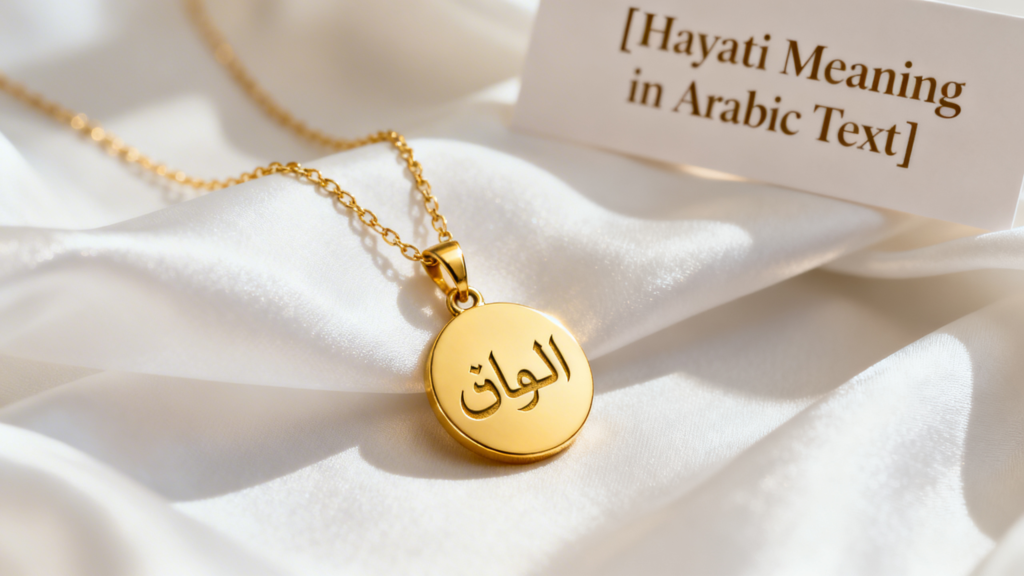
The word Hayati is written in Arabic as حياتي, and it literally translates to “my life.” Yet its meaning goes much deeper than just the words. When someone uses حياتي, they’re expressing love, care, and emotional closeness, letting the other person know they are cherished and deeply valued.
Derived from the Arabic root ح-ي-ا (connected to life), hayati naturally carries a gentle, poetic feeling. This makes it popular in songs, romantic messages, and everyday expressions of affection. Whether in conversation, poetry, or music, saying hayati conveys warmth, intimacy, and heartfelt emotion in a way that resonates strongly in Arabic culture.
Hayati in Arabic for Males
In Arabic, the word hayati is often used for men who hold a special place in your life, such as husbands, boyfriends, or sons. Saying hayati to a male conveys deep affection, care, and emotional closeness. It’s a way of expressing that this person truly matters and is cherished above others.
The tone is warm and intimate, which is why hayati isn’t used casually. When spoken sincerely, it communicates love, respect, and a strong personal connection, making it a meaningful part of everyday conversation, romantic messages, or family interactions.
Hayati Meaning in Arabic from a Girl
The word Hayati (حياتي) literally means “my life,” but when a girl uses it, the meaning goes much deeper. It’s a heartfelt expression of love, care, and emotional attachment, showing that the person she’s addressing is very important to her.
Using hayati in this context conveys warmth, closeness, and sincerity. Whether in conversation, messages, or affectionate notes, it communicates strong feelings and a deep emotional connection, making it a cherished way to express love in Arabic culture.
Literal Translation of “Hayati”
The word Hayati (حياتي) can be broken down to better understand its literal meaning. The root حياة (hayat) means “life,” and the suffix -ي (i) indicates possession, translating to “my.” Together, حياتي literally means “my life,” forming the foundation for its emotional and affectionate usage in Arabic.
| Arabic Word | Word Breakdown | English Translation |
| حياتي | حياة (hayat) + ي (i) | My life |
This simple grammatical structure shows how Arabic combines roots and suffixes to express both meaning and emotion. Even in casual conversation, this literal construction carries warmth and intimacy, making hayati a word that feels both personal and heartfelt.
Word Components of “Hayati”
The word Hayati is built from two key parts in Arabic, each carrying its own meaning and function.
- حياة (Hayat)
- Meaning: Life
- Pronunciation: ha-YAT
- Root: ح-ي-ي (connected to life and living)
This root represents existence, vitality, and the essence of being, forming the emotional and literal foundation of the word.
- Meaning: Life
- ي (Possessive “i”)
- Meaning: My
- Function: Marks ownership or personal connection
- Combined Form: Hayat + i = Hayati (“My life”)
This suffix personalizes the word, turning a general noun into an intimate expression of love or attachment.
- Meaning: My
Together, these components make Hayati both grammatically precise and emotionally rich. It’s a simple yet powerful example of how Arabic combines structure and feeling to convey deep personal meaning in everyday speech, poetry, and affectionate expressions.
What It Means When a Girl Says “Hayati”
Romantic Context
When a girl uses hayati with her partner, it’s more than just a word—it expresses deep love, devotion, and emotional closeness. It communicates that the person she’s addressing is central to her life and holds a special, irreplaceable place in her heart.
Example:
حبيبي، أنت حياتي (Habibi, anta hayati) – My love, you are my life
Meaning Behind It
- She sees you as the heart of her world.
- You bring joy, purpose, and meaning to her life.
- It conveys a strong emotional bond and attachment.
- Saying hayati is considered one of the ultimate forms of endearment in Arabic culture, blending affection with intimacy.
Using hayati sincerely shows that someone values you deeply and sees you as an essential part of their life. It’s a phrase that carries warmth, devotion, and a personal connection that goes beyond everyday expressions of love.
Different Relationship Contexts of “Hayati”
The meaning of hayati changes depending on the relationship and the emotional closeness between the speaker and the person addressed. It’s a versatile word that conveys love, care, and importance, but the depth of emotion varies with context.
| Relationship Type | Meaning When She Says “Hayati” | Emotional Intensity |
| Romantic Partner | You are my world, my everything | Very high |
| Close Family (child/parent) | You are very dear to me | Extremely high |
| Best Friend (rare usage) | You are very important to me | High |
| Casual Acquaintance | Rarely used; usually not appropriate | N/A |
In essence, hayati is reserved for people who truly matter. Using it with someone shows a strong personal bond and emotional attachment, whether in love, family, or close friendship, making it one of the most heartfelt expressions in Arabic.
Common Ways Girls Use “Hayati”
Girls often use hayati to express love, care, and emotional closeness. Depending on the situation, it can be playful, romantic, or deeply heartfelt, making it a versatile term in Arabic communication.
| Situation | Arabic Example | English Meaning | Context |
| Romantic Greeting | صباح الخير يا حياتي | Good morning, my life | Sweet morning message to boyfriend/husband |
| Expressing Longing | أشتاق إليك يا حياتي | I miss you, my life | When apart from a loved one |
| Emotional Confession | أحبك، أنت حياتي | I love you, you are my life | Sharing love or reaffirming feelings |
| Playful Affection | يا حياتي، ماذا تفعل؟ | Oh my life, what are you doing? | Lighthearted conversation with partner |
Using hayati in these moments allows a girl to communicate warmth and intimacy naturally. Whether it’s a simple greeting, a loving reminder, or a heartfelt confession, the word strengthens emotional bonds and adds a personal touch that words alone often cannot convey.
Intensity and Significance of “Hayati”
Hayati is a powerful term of affection in Arabic, reserved for moments when emotions run deep. It’s not a casual word—using it signals that the speaker genuinely values the other person and sees them as central to their life.
Emotional Depth
When someone says hayati, it reflects:
- Strong romantic or familial love
- A deep, heartfelt connection
- Long-term commitment or devotion
- The sense that the person addressed is truly indispensable
Cultural Importance
In Arabic culture, calling someone hayati carries weight. It’s a declaration of how meaningful someone is, whether to a partner, family member, or very close friend. Because of this, the word is treated with care and respect, and using it casually is uncommon. When spoken sincerely, it communicates affection, respect, and emotional intimacy all at once.
Similar Terms Girls Might Use
Girls often use a variety of affectionate terms in Arabic to express love, care, and emotional closeness. While hayati is one of the strongest, other words also convey warmth and intimacy, each with its own tone and intensity. These terms appear in conversations, messages, poetry, and songs, helping to express feelings in a nuanced, heartfelt way.
| Arabic Term | Literal Meaning | Emotional Intensity |
| حياتي (Hayati) | My life | Extremely high |
| روحي (Roohi) | My soul | Extremely high |
| عمري (Omri) | My life / age | Very high |
| حبيبي (Habibi) | My beloved | High |
| قلبي (Qalbi) | My heart | High |
While hayati often conveys the deepest affection, terms like roohi or omri can also show profound love, depending on the context. Using these expressions thoughtfully allows a girl to communicate her feelings clearly, whether in romantic, familial, or poetic settings.
Regional Usage Differences of “Hayati”
The use of hayati can vary across Arabic-speaking regions, reflecting cultural preferences and local speech patterns. While the word always conveys affection and emotional closeness, the context and frequency of usage differ from one region to another.
Egyptian Arabic
In Egypt, girls often use hayati with romantic partners, such as boyfriends or husbands. It’s also sometimes used with close family members, like children, to express love and care in a warm, familiar way.
Gulf Arabic
In Gulf countries, hayati is used but may feel slightly more formal in some contexts. Words like omri (“my life/age”) are equally popular, especially in intimate conversations between couples.
Levantine Arabic
In countries like Lebanon, Syria, and Jordan, hayati is very common among romantic couples. It’s often combined with other affectionate expressions, such as “ya hayat albi” (O life of my heart), to add poetic and emotional depth.
North African Arabic
In North Africa, hayati is used, but terms like roohi (“my soul”) or qalbi (“my heart”) might be preferred in romantic contexts. This reflects regional linguistic variations while maintaining the word’s affectionate essence.
Across all regions, hayati remains a term of intimacy and emotional connection. Its exact usage may change, but the warmth, care, and heartfelt affection it conveys are universally understood in Arabic culture.
What It Means for Your Relationship
When a girl calls you hayati, it’s a strong sign of affection and emotional investment. This isn’t just casual or playful—it reflects genuine feelings and a meaningful connection between the two of you.
Positive Indicators
Hearing hayati often suggests that:
- She truly cares about you and values your presence
- She envisions a future together or sees long-term potential
- You hold a special place in her heart and life
- She feels safe sharing her deepest emotions with you
- The bond between you is emotionally significant and sincere
Not Just Casual Flirting
Unlike lighter or playful terms, hayati communicates real attachment and devotion. Using it shows that she sees you as more than just a passing connection—it reflects intimacy, trust, and heartfelt commitment.
Context Matters When Using “Hayati”

The meaning and impact of hayati depend heavily on the situation. Whether spoken, written, or sent digitally, the word carries slightly different tones, showing the speaker’s emotions and comfort level.
| Context | Meaning | Tone / Emotion | Example (Arabic & English) |
| Private | Intimate expression of genuine feelings | Soft, affectionate, sincere | N/A |
| Public (Rare) | Comfortable showing affection openly | Confident, proud of relationship | N/A |
| Messages | Digital affection, staying connected | Warm, loving, playful | أحبك يا حياتي ❤️ – I love you, my life |
Using hayati in the right context ensures your words are received as intended. In private, it deepens intimacy; in public, it signals confidence in your bond; and in messages, it keeps emotional connection alive even across distance.
How to Respond When a Girl Says “Hayati”
Responding to hayati depends on how you feel and the nature of your relationship. Using the right words can strengthen the emotional connection, while being honest preserves trust and sincerity.
If You Share the Feelings
When you feel the same way, you can respond with affectionate phrases like:
- وأنت حياتي (Wa anti hayati) – And you are my life
- أحبك يا حياتي (Uhibbuki ya hayati) – I love you, my life
- أنت كل شيء لي (Anti kul shay’ li) – You are everything to me
If You’re Unsure
If you’re not ready to use such a strong term, it’s better to be honest rather than saying something you don’t fully mean. In Arabic culture, sincerity is highly valued, and expressing your feelings truthfully is considered more respectful than a casual or insincere response.
Using hayati and responding thoughtfully helps maintain intimacy while showing genuine care and understanding in your relationship.
Red Flags vs. Green Flags When She Says “Hayati”
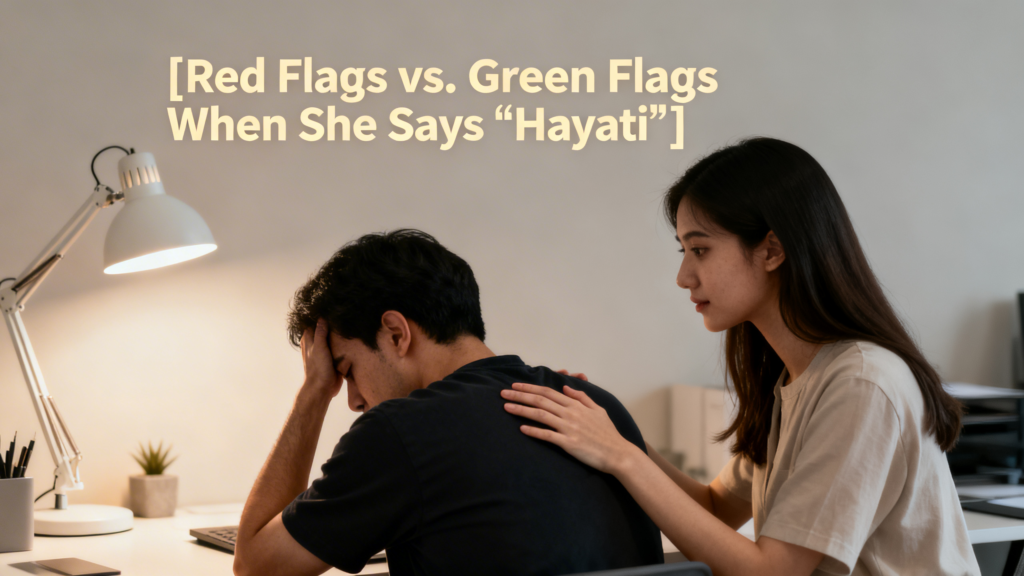
Understanding how hayati is used can help you gauge the sincerity behind it. Some uses signal genuine affection, while others may call for caution.
Green Flags (Signs of True Affection)
- Said naturally and consistently over time, not just once
- Backed up by caring actions and attentiveness
- Shared in private, meaningful moments rather than public show
- Feels comfortable, relaxed, and part of everyday conversation
Potential Red Flags (Be Mindful)
- Said too soon in a new relationship, before feelings are clear
- Doesn’t match her behavior or actions toward you
- Only used when she wants something or to manipulate emotions
- Said to multiple people, reducing its personal significance
Paying attention to how and when “hayati” is used can help you understand her intentions, ensuring you recognize genuine affection versus words that might not carry real emotional weight.
Cultural Sensitivity When Using “Hayati”
Respect the Meaning
The word hayati carries more than just affection—it reflects deep emotional significance in Arab culture. Using it casually or without understanding its weight can unintentionally downplay its meaning. These expressions are often tied to serious commitment, trust, and emotional intimacy, so they should be used thoughtfully.
Family and Social Context
If you’re not from an Arabic background, be mindful that using hayati may influence how her family perceives the relationship. In many Arab households, terms of endearment signal the seriousness of a bond, so it’s important to respect cultural norms and avoid casual use in public or family settings.
Being aware of these nuances ensures that your use of hayati is heartfelt, respectful, and appreciated, rather than misunderstood.
Girls often pair hayati with other affectionate words to make their expressions of love even more heartfelt. These combinations convey deeper emotion, intimacy, and sometimes poetic flair, making the sentiment feel richer and more personal.
| Expression (Arabic) | Transliteration | English Meaning |
| يا حياة قلبي | Ya hayat qalbi | O life of my heart |
| حياتي وروحي | Hayati wa roohi | My life and my soul |
| حياتي كلها | Hayati kullaha | My entire life |
| يا أغلى حياة | Ya aghla hayat | O most precious life |
Using these combined expressions adds nuance and warmth. They allow a girl to convey not just love, but devotion, admiration, and emotional closeness, making hayati feel even more personal and meaningful in everyday conversation, messages, or poetry.
Final Understanding of “Hayati”
When an Arab girl calls you hayati, she’s sharing one of the most meaningful compliments in her language. It’s not just a word—it signifies that you hold a special place in her heart and have become essential to her happiness and emotional world.
This term is reserved for people who truly matter, reflecting deep love, trust, and commitment. Hearing hayati is a sign of genuine affection, emotional closeness, and the kind of connection that goes beyond casual expressions of care, making it both beautiful and powerful in Arabic culture.
Hayati Meaning in Arabic and English
In Arabic, hayati (حياتي) literally translates to “my life,” but its emotional resonance goes far beyond words. In English, it often conveys sentiments like “my love,” “my dear,” or “my everything,” capturing deep affection and personal significance.
Both the Arabic and English interpretations express love and care, but the Arabic version carries an added layer of cultural warmth and intimacy. Whether spoken in daily conversation, written in messages, or used in songs and poetry, hayati consistently communicates that the person addressed is central to your happiness and cherished above all else.
Hayati Meaning in English
The Arabic word hayati literally means “my life,” but its emotional weight goes far beyond a simple translation. In English, it carries the same heartfelt intensity as phrases like “my love,” “my darling,” or “my everything.”
When someone says hayati, they’re expressing that the person is deeply cherished and central to their happiness. This term is widely used in Arabic songs, poetry, and romantic conversations, making it one of the most affectionate and emotionally rich expressions in the language.
Hayati Meaning and Arabic Pronunciation
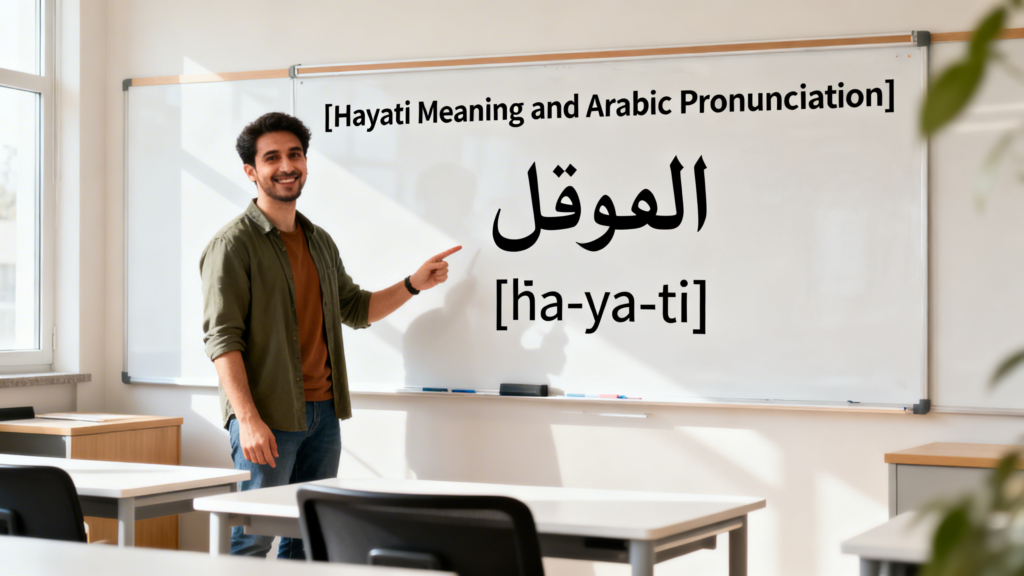
The Arabic word حياتي is pronounced “ha-ya-tee”, with a gentle, flowing rhythm that makes it sound soft and affectionate. The way it’s spoken reflects warmth and intimacy, which is why it’s commonly used in romantic, familial, and heartfelt expressions.
Pronunciation Guide
- Ha – like “ha” in happy
- Ya – like “ya” in yard
- Ti – like “tee” in tea
Saying hayati correctly adds to its emotional impact. Its smooth, melodic sound makes the expression feel natural, tender, and personal, enhancing the depth of affection it conveys in Arabic speech, songs, and poetry.
Inta Hayati Meaning in Arabic
The phrase “Inta Hayati” (أنت حياتي) translates to “You are my life” and is typically used when addressing a male. For females, the phrase changes slightly to “Inti Hayati” (أنتِ حياتي).
This expression is deeply romantic and conveys strong emotional attachment. You’ll often hear it in Arabic songs, movies, and poetry, where it serves as a heartfelt declaration of love. Saying Inta Hayati or Inti Hayati shows that someone holds a central place in your life, making it one of the most intimate and meaningful ways to express affection in Arabic culture.
Comparison of “Hayati” Expressions
Understanding the subtle differences between hayati expressions helps you use them accurately and meaningfully. Each variation conveys affection, but the tone and context can vary depending on who you’re addressing and the situation.
| Phrase | Arabic Script | English Meaning | Usage |
| Hayati | حياتي | My life | General affectionate term |
| Ya Hayati | يا حياتي | O my life | Loving call or emotional expression |
| Inta Hayati | أنت حياتي | You are my life (to a male) | Romantic phrase |
| Inti Hayati | أنتِ حياتي | You are my life (to a female) | Romantic phrase |
| Hayati Pronunciation | حياتي | ha-ya-tee | Soft, affectionate tone |
This table shows how hayati can adapt to different contexts, from everyday affectionate words to deeply romantic expressions. Knowing these nuances allows you to communicate warmth and love naturally in Arabic.
Qalbi Meaning in Arabic
The Arabic word “Qalbi” (قلبي) literally translates to “my heart.” Like hayati, it’s an affectionate expression that conveys love, warmth, and emotional closeness. When someone calls you qalbi, it signals that you hold a special and cherished place in their heart.
In Arabic culture, qalbi is commonly used with romantic partners, close family members, and sometimes even children as a sweet way to show care. It appears frequently in songs, poetry, and everyday conversations, making it one of the most heartfelt and widely recognized terms of endearment in the language.
Ya Qalbi Meaning in Arabic
The phrase “Ya Qalbi” (يا قلبي) literally means “O my heart” and adds an extra layer of emotion to the word qalbi. The addition of ya makes it sound like a heartfelt call, as if reaching out to someone you love deeply.
People use ya qalbi to express affection, warmth, or concern, making it a tender way to connect emotionally. You’ll often hear it in Arabic songs, poetry, and romantic films, where it conveys love, care, and intimacy in a beautifully expressive way.
Other Arabic Love Words Similar to “Hayati”
Arabic is rich with romantic expressions. Here are some that share similar warmth:
| Word | Arabic | Translation | Usage |
| Habibi / Habibti | حبيبي / حبيبتي | My love | Romantic, friendly |
| Qalbi | قلبي | My heart | Deep affection |
| Rohi | روحي | My soul | Emotional or poetic |
| Amri | أمري | My concern | Used lovingly |
| Omri | عمري | My life / age | Romantic phrase like “my life” |
Each of these carries its own emotional layer, but hayati stands out for its simplicity and tenderness.
Common Misunderstandings or Mistakes with “Hayati”
Beginners often mix up hayat, hayati, and ya hayati, which can lead to confusion. Understanding the differences ensures you use the words correctly and respectfully in conversations.
| Mistake | Correct Form | Explanation |
| Saying hayat for “my life” | Hayati | Hayat = life; Hayati = my life, showing possession and affection |
| Overusing ya hayati | Use selectively | Reserved for close loved ones; using it casually can feel insincere |
| Translating literally | Focus on emotion | “My life” often means “my love” or “my everything” emotionally |
| Gender assumption | Gender-neutral | Hayati can refer to both men and women depending on context |
By knowing these distinctions, you’ll communicate affection naturally and avoid misunderstandings. Using hayati thoughtfully shows emotional awareness and respect for Arabic language and culture.
The Emotional Power of “Hayati”
The phrase hayati in Arabic is far more than just a word—it carries real emotional weight. When someone says “ya hayati,” they’re expressing that you bring meaning, joy, and warmth to their life.
In relationships, using hayati adds tenderness, affection, and a sense of closeness. You’ll hear it in romantic songs, heartfelt messages, and even casual family interactions.
Examples of Use
- “Good night, ya hayati.” – A sweet, loving farewell
- “I missed you so much, hayati.” – Expressing deep longing
Even simple phrases with hayati carry sincerity, care, and emotional depth, making it one of the most heartfelt ways to show love in Arabic.
“Hayati” in Songs, Movies, and Everyday Life
In Arabic culture, hayati isn’t just a word—it’s a staple of emotional expression in music, film, and daily conversations. In songs, lyrics like “Enta hayati, ya habibi” (“You are my life, my love”) capture deep passion and tenderness, resonating with listeners on a heartfelt level.
In movies and TV dramas, characters often use ya hayati naturally to show affection, longing, or care. Even outside romantic contexts, the word reflects closeness and emotional warmth, whether between family members, friends, or partners, making it a versatile and cherished expression in everyday life.
Learning Arabic Through Words Like “Hayati”
If you’re learning Arabic, words like hayati make the language feel more personal and emotionally engaging. They help you connect not just with vocabulary, but with the culture and sentiment behind the words.
Tips for Learners
- Master possessive forms – learn how “my,” “your,” and “his/her” change nouns in Arabic.
- Practice common affectionate words – like habibi, hayati, and qalbi, to make your speech warm and natural.
- Listen to songs and poetry – Arabic music and love poems teach rhythm, tone, and emotional expression.
- Understand root patterns – studying word families helps you predict meanings and use words correctly.
Focusing on emotionally rich words like hayati makes your Arabic not just correct, but expressive and heartfelt, letting you communicate naturally and connect deeply with native speakers.
Comparing Arabic Affectionate Terms
Arabic is rich with words that express love, care, and emotional closeness. While many of these terms overlap in meaning, each has its own nuance and context, helping you convey affection naturally.
| Expression | Arabic Script | Meaning | Context |
| Hayati | حياتي | My life | Romantic or familial |
| Ya Hayati | يا حياتي | Oh my life | Loving call or emotional emphasis |
| Omri | عمري | My life / age | Romantic phrase |
| Rohi | روحي | My soul | Deeply emotional or poetic |
| Qalbi | قلبي | My heart | Romantic or friendly |
| Habibi | حبيبي | My love (male) | Common affectionate term |
| Habibti | حبيبتي | My love (female) | Common affectionate term |
By comparing these words, you can see how subtle differences in tone and context can make your expressions of love feel more genuine and culturally aware. Knowing which term to use helps you connect emotionally while respecting Arabic cultural norms.
Why You Should Learn “Hayati”

Learning hayati meaning in Arabic gives you more than just vocabulary , it connects you emotionally to the culture.
Here’s why:
- It’s one of the most commonly used Arabic endearments.
- It helps you understand Arabic grammar (possessive suffixes).
- It improves your listening and comprehension of songs and films.
- It deepens your appreciation for Arabic emotional expression.
FAQ’s
Mastering words like hayati, habibi, and rohi makes your Arabic sound authentic, heartfelt, and natural.
What is the Word Hayati Meaning in Arabic
The Word Hayati Meaning in Arabic is my life, showing deep affection. Using Word Hayati Meaning shows love, care, and emotional closeness in everyday conversation.
How is the Word Hayati Meaning used romantically
The Word Hayati Meaning is often used with partners. When someone says the Word Hayati Meaning, they express that the person is essential to their happiness and life.
Can the Word Hayati Meaning be used with family
Yes, the Word Hayati Meaning can be used with close family. The Word Hayati Meaning shows warmth, care, and deep emotional connection beyond romantic relationships.
How do I pronounce the Word Hayati Meaning correctly
The Word Hayati Meaning is pronounced ha-ya-tee. Pronouncing the Word Hayati Meaning smoothly conveys tenderness, making the emotional connection feel heartfelt and genuine in Arabic speech.
Why is the Word Hayati Meaning important in culture
The Word Hayati Meaning holds cultural and emotional value. Using the Word Hayati Meaning shows respect, love, and understanding of Arabic traditions and heartfelt expressions.
Conclusion
Understanding the Word Hayati Meaning in Arabic gives you more than a literal translation; it opens the door to emotional expression and cultural connection. Using the Word Hayati Meaning shows love, care, and deep affection in a heartfelt way.
Whether in songs, poetry, or everyday conversation, the Word Hayati Meaning allows you to communicate tenderness naturally. Embracing it helps you connect with others, express your feelings sincerely, and appreciate the warmth of Arabic language and culture.